Understanding Manual Transmissions
Manual transmissions, often referred to as stick shifts, require the driver to engage the gears manually. This type of transmission provides a direct connection between the engine and the wheels, allowing for greater control over the vehicle's power and speed. Many driving enthusiasts prefer manual transmissions for the enhanced driving experience they offer.
For instance, a manual transmission allows drivers to downshift for better acceleration or to slow down without relying solely on brakes. Additionally, vehicles with manual transmissions often have lower purchase prices and can be more fuel-efficient under certain driving conditions, making them an appealing choice for budget-conscious consumers.
Exploring Automatic Transmissions
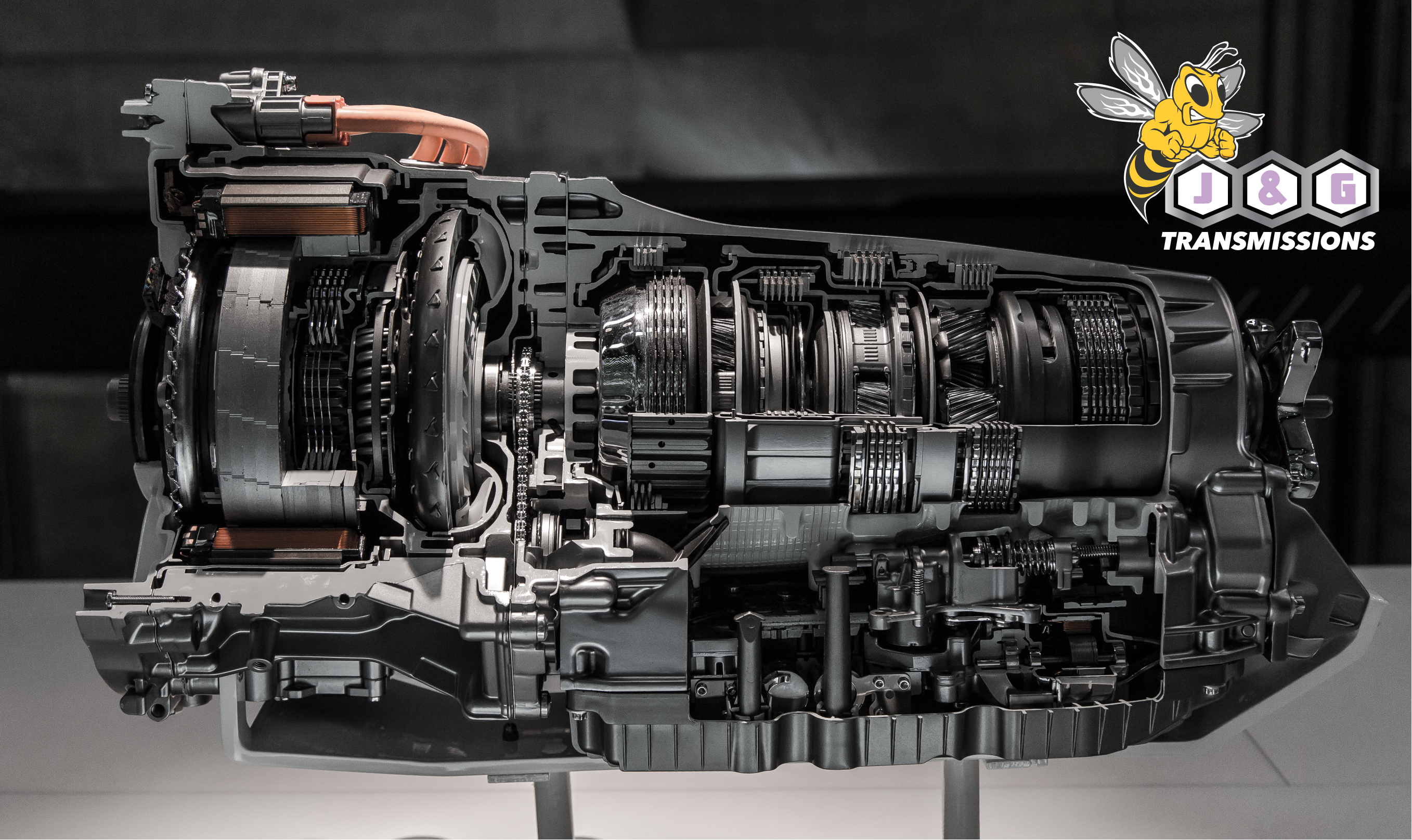
Automatic transmissions are designed to shift gears automatically without driver intervention, making them a popular choice for everyday driving. These systems use complex hydraulic systems and computer controls to determine the optimal time to change gears, enhancing convenience and ease of use.
Modern automatic transmissions have evolved significantly, with many now featuring multiple gears and advanced technologies like adaptive transmission control. This allows vehicles to optimize fuel efficiency and performance based on driving conditions. For example, some automatic transmissions can learn a driver's habits and adjust shifting patterns accordingly for a more personalized driving experience.
Benefits of Dual-Clutch Transmissions
Dual-clutch transmissions (DCT) combine the best features of both manual and automatic transmissions, providing rapid gear changes and improved efficiency. Utilizing two separate clutches for odd and even gears, DCTs can pre-select the next gear, resulting in seamless transitions that enhance acceleration.
This technology is commonly found in high-performance vehicles and sports cars, where quick shifts are crucial. For example, many manufacturers have adopted DCTs in their performance models to achieve faster lap times and improved driving dynamics, making them a favorite among car enthusiasts who value speed and responsiveness.
Choosing the Right Transmission for Your Vehicle
Selecting the right transmission type for your vehicle can significantly impact your driving experience and maintenance costs. Factors such as driving style, terrain, and personal preference should all be considered when making this decision.
For instance, if you frequently navigate hilly terrains or enjoy a more engaging driving experience, a manual transmission might be ideal. Conversely, if you prioritize convenience and ease of use, an automatic or dual-clutch transmission may be better suited for your needs. Understanding the advantages and disadvantages of each transmission type can help you make an informed choice for your vehicle.
Understanding Manual Transmissions
Manual transmissions, often referred to as stick shifts, require the driver to engage the gears manually. This type of transmission provides a direct connection between the engine and the wheels, allowing for greater control over the vehicle's power and speed. Many driving enthusiasts prefer manual transmissions for the enhanced driving experience they offer.
For instance, a manual transmission allows drivers to downshift for better acceleration or to slow down without relying solely on brakes. Additionally, vehicles with manual transmissions often have lower purchase prices and can be more fuel-efficient under certain driving conditions, making them an appealing choice for budget-conscious consumers.
Exploring Automatic Transmissions
Automatic transmissions are designed to shift gears automatically without driver intervention, making them a popular choice for everyday driving. These systems use complex hydraulic systems and computer controls to determine the optimal time to change gears, enhancing convenience and ease of use.
Modern automatic transmissions have evolved significantly, with many now featuring multiple gears and advanced technologies like adaptive transmission control. This allows vehicles to optimize fuel efficiency and performance based on driving conditions. For example, some automatic transmissions can learn a driver's habits and adjust shifting patterns accordingly for a more personalized driving experience.
Benefits of Dual-Clutch Transmissions
Dual-clutch transmissions (DCT) combine the best features of both manual and automatic transmissions, providing rapid gear changes and improved efficiency. Utilizing two separate clutches for odd and even gears, DCTs can pre-select the next gear, resulting in seamless transitions that enhance acceleration.
This technology is commonly found in high-performance vehicles and sports cars, where quick shifts are crucial. For example, many manufacturers have adopted DCTs in their performance models to achieve faster lap times and improved driving dynamics, making them a favorite among car enthusiasts who value speed and responsiveness.
Choosing the Right Transmission for Your Vehicle
Selecting the right transmission type for your vehicle can significantly impact your driving experience and maintenance costs. Factors such as driving style, terrain, and personal preference should all be considered when making this decision.
For instance, if you frequently navigate hilly terrains or enjoy a more engaging driving experience, a manual transmission might be ideal. Conversely, if you prioritize convenience and ease of use, an automatic or dual-clutch transmission may be better suited for your needs. Understanding the advantages and disadvantages of each transmission type can help you make an informed choice for your vehicle.