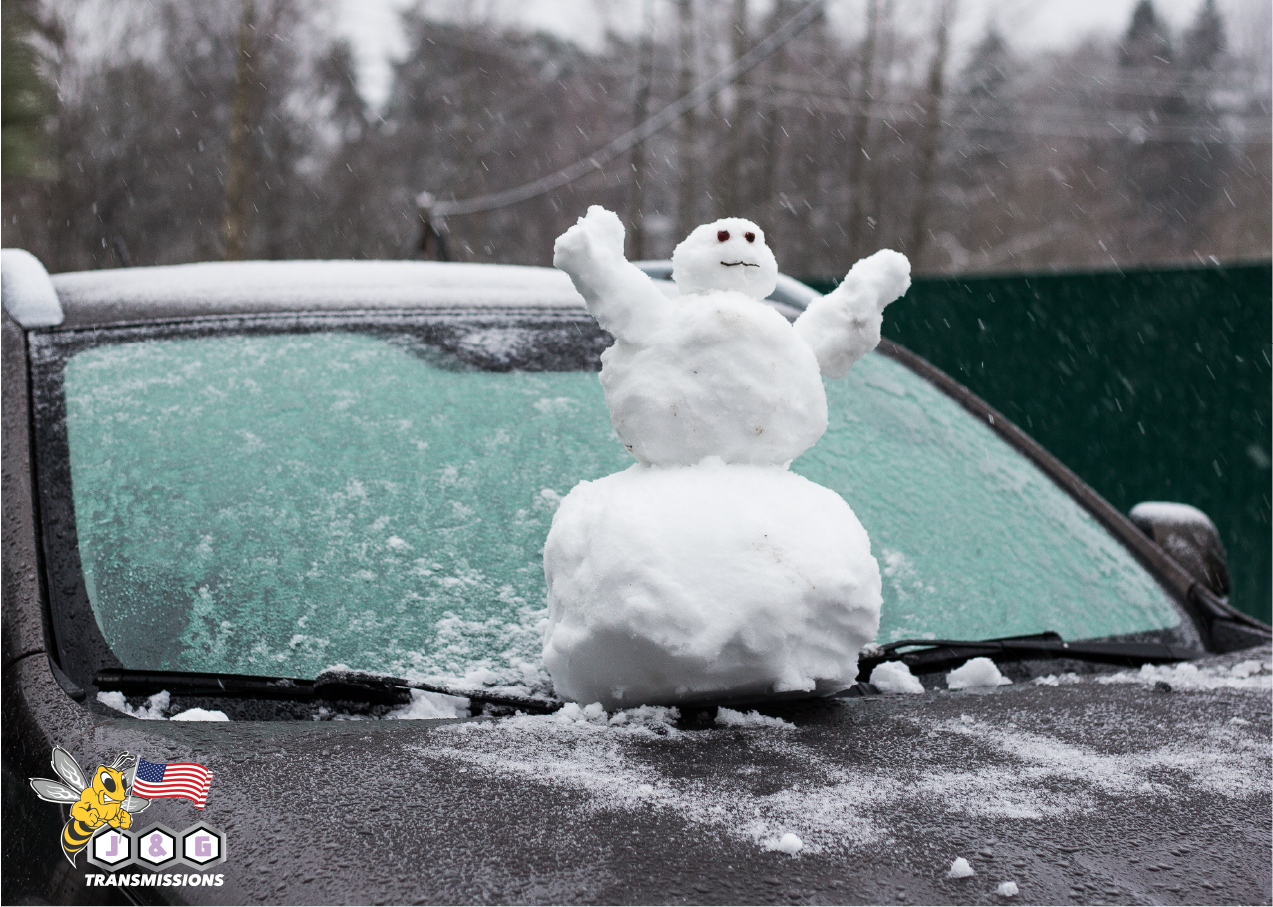
Understanding the Science Behind Windshield Frost
Windshield frost forms when moisture in the air condenses and freezes on the glass surface, creating a layer of ice that obstructs visibility. This process is influenced by temperature, humidity, and the presence of moisture in the vehicle's cabin.
During winter months, the cold air outside can lead to rapid condensation, especially if the interior of the car is warm and humid. Understanding this science can help drivers take proactive measures to prevent frost formation, such as using a car cover or parking in a garage.
Alternative Methods for Defrosting Your Windshield
While using your car's defroster is effective, there are several alternative methods to defrost your windshield quickly. For instance, using a mixture of vinegar and water can help melt ice, as vinegar has a lower freezing point than water.
Another popular method involves using a commercial de-icing spray, which can be applied directly to the windshield. These sprays contain chemicals that lower the freezing point of water, allowing ice to melt faster. Keeping a bottle of this spray in your car can be a lifesaver during unexpected frosty mornings.
Preventing Windshield Frost Before It Forms
To avoid the hassle of defrosting your windshield, consider preventive measures. One effective strategy is to apply a layer of rubbing alcohol or a specialized anti-fog solution to the glass, which can help prevent frost from bonding to the surface.
Additionally, parking your vehicle facing east can take advantage of the morning sun, helping to naturally defrost your windshield. Using a windshield cover can also protect your glass from frost overnight, reducing the need for defrosting in the morning.
When to Seek Professional Help for Windshield Issues
While defrosting is a common winter challenge, persistent issues with your windshield, such as cracks or chips, may require professional attention. If you notice that your windshield is frequently fogging up or developing ice, it could indicate a problem with your vehicle's heating or ventilation system.
In such cases, it's wise to consult with automotive professionals like J & G Transmissions to ensure that your vehicle is functioning optimally. Regular maintenance can prevent more serious issues down the line, keeping you safe during winter driving conditions.
Understanding the Science Behind Windshield Frost
Windshield frost forms when moisture in the air condenses and freezes on the glass surface, creating a layer of ice that obstructs visibility. This process is influenced by temperature, humidity, and the presence of moisture in the vehicle's cabin.
During winter months, the cold air outside can lead to rapid condensation, especially if the interior of the car is warm and humid. Understanding this science can help drivers take proactive measures to prevent frost formation, such as using a car cover or parking in a garage.
Alternative Methods for Defrosting Your Windshield
While using your car's defroster is effective, there are several alternative methods to defrost your windshield quickly. For instance, using a mixture of vinegar and water can help melt ice, as vinegar has a lower freezing point than water.
Another popular method involves using a commercial de-icing spray, which can be applied directly to the windshield. These sprays contain chemicals that lower the freezing point of water, allowing ice to melt faster. Keeping a bottle of this spray in your car can be a lifesaver during unexpected frosty mornings.
Preventing Windshield Frost Before It Forms
To avoid the hassle of defrosting your windshield, consider preventive measures. One effective strategy is to apply a layer of rubbing alcohol or a specialized anti-fog solution to the glass, which can help prevent frost from bonding to the surface.
Additionally, parking your vehicle facing east can take advantage of the morning sun, helping to naturally defrost your windshield. Using a windshield cover can also protect your glass from frost overnight, reducing the need for defrosting in the morning.
When to Seek Professional Help for Windshield Issues
While defrosting is a common winter challenge, persistent issues with your windshield, such as cracks or chips, may require professional attention. If you notice that your windshield is frequently fogging up or developing ice, it could indicate a problem with your vehicle's heating or ventilation system.
In such cases, it's wise to consult with automotive professionals like J & G Transmissions to ensure that your vehicle is functioning optimally. Regular maintenance can prevent more serious issues down the line, keeping you safe during winter driving conditions.