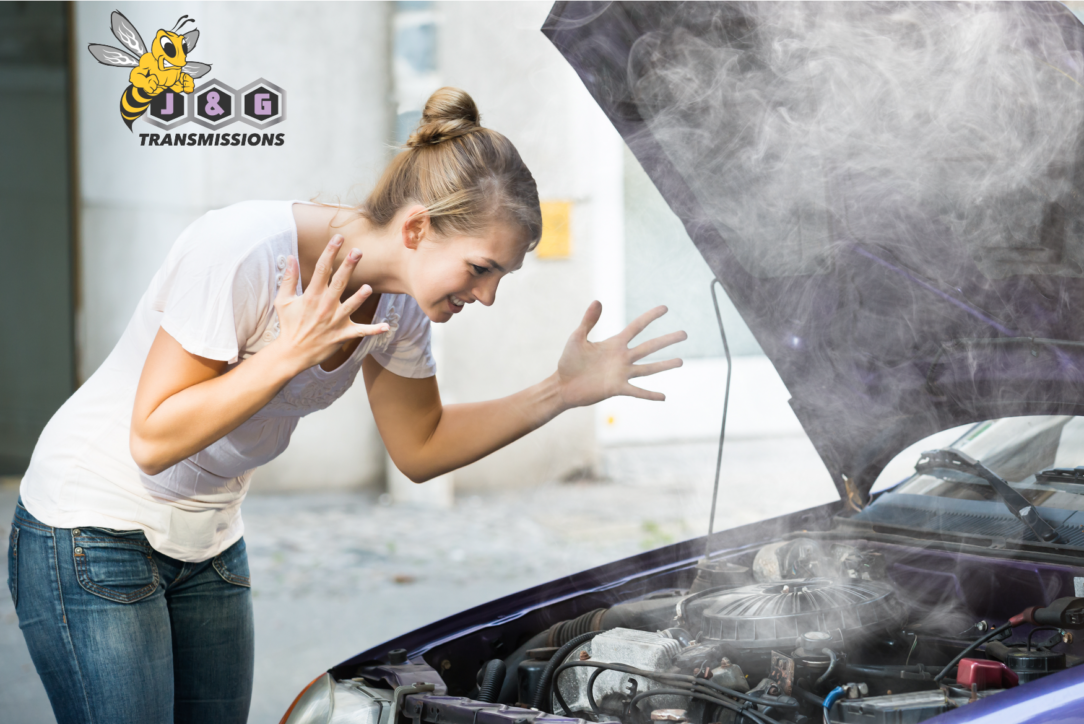
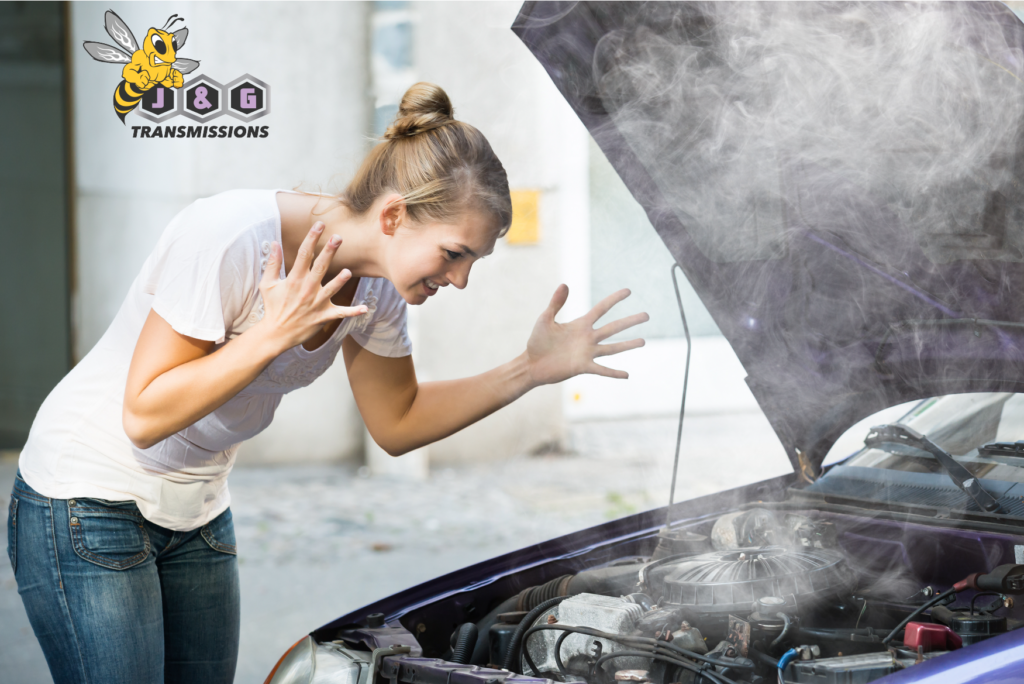
If you notice that your car is overheating, there are steps you can take to remedy the situation. It is not necessary to always call a tow truck or the nearest garage. Instead, you can…
Pull Over
The first thing you need to do is to pull over and get out of traffic. Move to a safe place as soon as you can. Do not try to drive to the nearest gas station because this may burn up your engine.
Turn Your Heater On
Turn your heater and fan on high. Open the windows if it is in the summer and turn off the air conditioner. Turning on the heater will transfer some heat from your engine to the heater core. This may quickly bring down the engine temperature.
Lift the Hood
If you have steam coming from the hood, do not open it until the steam stops. You could be badly burned by it.
Open the Radiator Cap
Do not open the radiator cap while the engine is still hot. It will release steam and very hot water which could severely burn you. It could also hit you in the face. Once it is cool (check the temperature gauge), place a rag over the radiator cap and slowly open it.
Fill the Radiator
Look over the hoses and check for damage or leaks. If there are none, add antifreeze or water – if you have it. Otherwise, you will need to call a garage for help. In the warmer months, it is a good idea to carry a gallon of engine coolant or water with you.
In the great city of Murray, UT, J & G Transmissions can provide service to ensure your vehicle is ready for a vacation and working properly. For more information, call us today at (801) 262-2321 or visit www.jandgtransmissions.com.
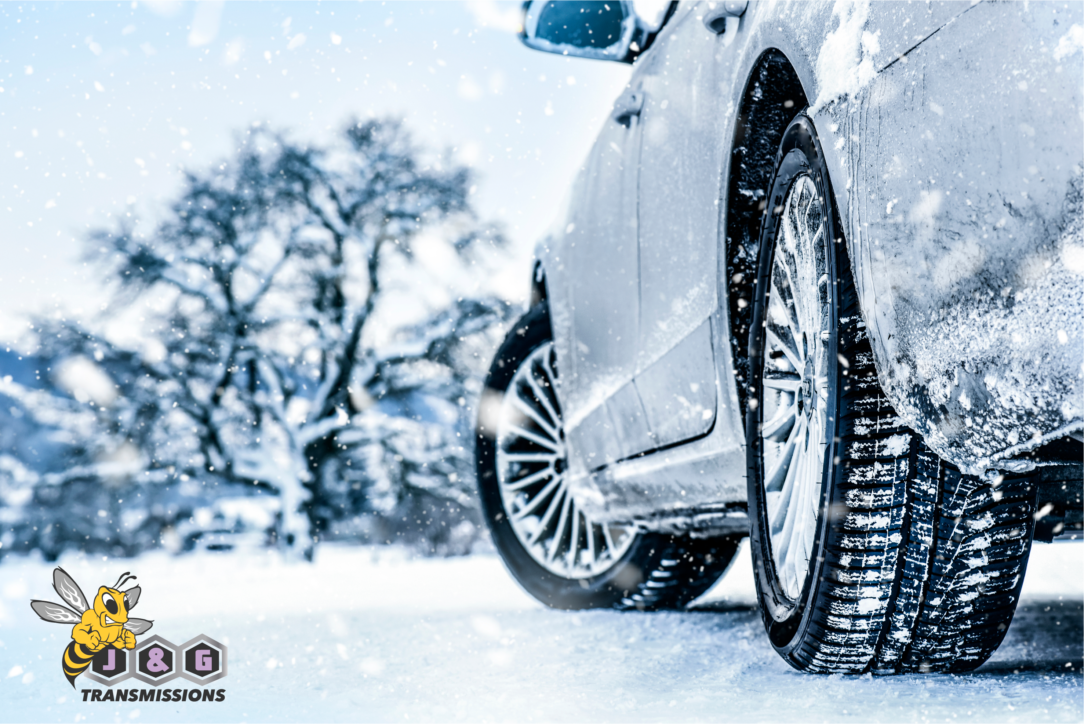
Winter can be rough on any car, especially in Utah. Driving through snow, rain, and salted roads can damage your car if it is not given some special TLC. Taking some simple steps can help you to be prepared in advance letting you meet winter with greater confidence.
Check the Battery
The last thing you want in the winter is to have a car that will not start. This can happen with old batteries that do not hold a charge well, or if the terminals are not kept clean.
Get the Right Tires
If you have a lot of snow where you live, you will need snow tires installed. Tires that are worn and do not have much tread on them are dangerous. Traction is needed in the winter. You also want to be sure that they are inflated to the recommended pressure.
Check the Fluids
Make sure that your fluids are topped off where they need to be. Also, make sure that your antifreeze will protect your car’s engine in the cold temperatures, and that your windshield washer fluid is the right kind for winter.
Keep Your Car Clean
Winter snow means that there will be salt and other chemicals on the road. This is harmful to your car’s body and will cause it to rust. Keeping your car free of these chemicals will keep it looking good much longer – and keep up the resale value, too.
It is also a good idea to carry the right equipment with you in case of an emergency. In the cold winter months, you need to carry blankets, flares, an air pump or cans of air for your tires, to name a few.
If you live in the Murray, UT area, J & G Transmissions would like to help to prepare and maintain your new car for the winter – and all year long. For more information, call us today at (801) 262-2321 or book an appointment Here.
Regular vehicle maintenance is crucial for ensuring your car operates efficiently and safely. Basic maintenance tasks include checking oil levels, inspecting brakes, and monitoring tire pressure. These practices not only enhance vehicle performance but also extend the lifespan of your car, preventing costly repairs down the line.
For example, changing your oil every 3,000 to 5,000 miles can significantly improve engine performance and fuel efficiency. Additionally, regular tire rotations and alignments can help maintain even tire wear, which is essential for safe handling and traction on the road.
Signs Your Transmission Needs Attention
Your vehicle's transmission is a vital component that requires attention to ensure smooth operation. Common signs that your transmission may need repair include slipping gears, unusual noises, or delayed engagement when shifting. Recognizing these symptoms early can prevent more severe damage and costly repairs.
If you experience grinding noises or a warning light on your dashboard, it's essential to consult a professional mechanic. Regular transmission fluid checks and changes can also help maintain optimal performance and prolong the life of your transmission system.
Essential Tools for DIY Automotive Care
Having the right tools is essential for anyone looking to perform automotive maintenance at home. Basic tools include a socket set, wrenches, screwdrivers, and pliers, which can help you tackle various tasks from oil changes to brake replacements. Investing in quality tools can make your maintenance tasks easier and more efficient.
Moreover, specialized tools like an OBD-II scanner can help diagnose engine issues, providing you with valuable insights into your vehicle's performance. By equipping yourself with the necessary tools and knowledge, you can save money on repairs and gain a better understanding of your vehicle.
Preparing for Road Trips: Vehicle Checklists
Before embarking on a road trip, it's essential to conduct a thorough vehicle check to ensure safety and reliability. Key items on your checklist should include checking tire pressure, fluid levels, and the condition of your brakes. A pre-trip inspection can help you avoid unexpected breakdowns and ensure a smooth journey.
Additionally, packing an emergency kit with essentials like a first-aid kit, flashlight, and basic tools can be invaluable in case of an emergency. By preparing your vehicle and planning ahead, you can enjoy peace of mind while exploring new destinations.
Regular vehicle maintenance is crucial for ensuring your car operates efficiently and safely. Basic maintenance tasks include checking oil levels, inspecting brakes, and monitoring tire pressure. These practices not only enhance vehicle performance but also extend the lifespan of your car, preventing costly repairs down the line.
For example, changing your oil every 3,000 to 5,000 miles can significantly improve engine performance and fuel efficiency. Additionally, regular tire rotations and alignments can help maintain even tire wear, which is essential for safe handling and traction on the road.
Signs Your Transmission Needs Attention
Your vehicle's transmission is a vital component that requires attention to ensure smooth operation. Common signs that your transmission may need repair include slipping gears, unusual noises, or delayed engagement when shifting. Recognizing these symptoms early can prevent more severe damage and costly repairs.
If you experience grinding noises or a warning light on your dashboard, it's essential to consult a professional mechanic. Regular transmission fluid checks and changes can also help maintain optimal performance and prolong the life of your transmission system.
Essential Tools for DIY Automotive Care
Having the right tools is essential for anyone looking to perform automotive maintenance at home. Basic tools include a socket set, wrenches, screwdrivers, and pliers, which can help you tackle various tasks from oil changes to brake replacements. Investing in quality tools can make your maintenance tasks easier and more efficient.
Moreover, specialized tools like an OBD-II scanner can help diagnose engine issues, providing you with valuable insights into your vehicle's performance. By equipping yourself with the necessary tools and knowledge, you can save money on repairs and gain a better understanding of your vehicle.
Preparing for Road Trips: Vehicle Checklists
Before embarking on a road trip, it's essential to conduct a thorough vehicle check to ensure safety and reliability. Key items on your checklist should include checking tire pressure, fluid levels, and the condition of your brakes. A pre-trip inspection can help you avoid unexpected breakdowns and ensure a smooth journey.
Additionally, packing an emergency kit with essentials like a first-aid kit, flashlight, and basic tools can be invaluable in case of an emergency. By preparing your vehicle and planning ahead, you can enjoy peace of mind while exploring new destinations.