Signs Your Tires Need Replacement
Recognizing the signs that your tires need replacing is essential for maintaining vehicle safety. Common indicators include visible tread wear, cracks in the sidewalls, and bulges or blisters on the tire surface. Regularly inspecting your tires can help you identify these issues early, preventing potential accidents.
For instance, if the tread depth is less than 2/32 of an inch, it's a clear sign that your tires are worn out and should be replaced. Additionally, if you notice uneven wear patterns or if the tires have been in use for over six years, it's advisable to consider new tires to ensure optimal performance and safety.
How to Measure Tread Depth
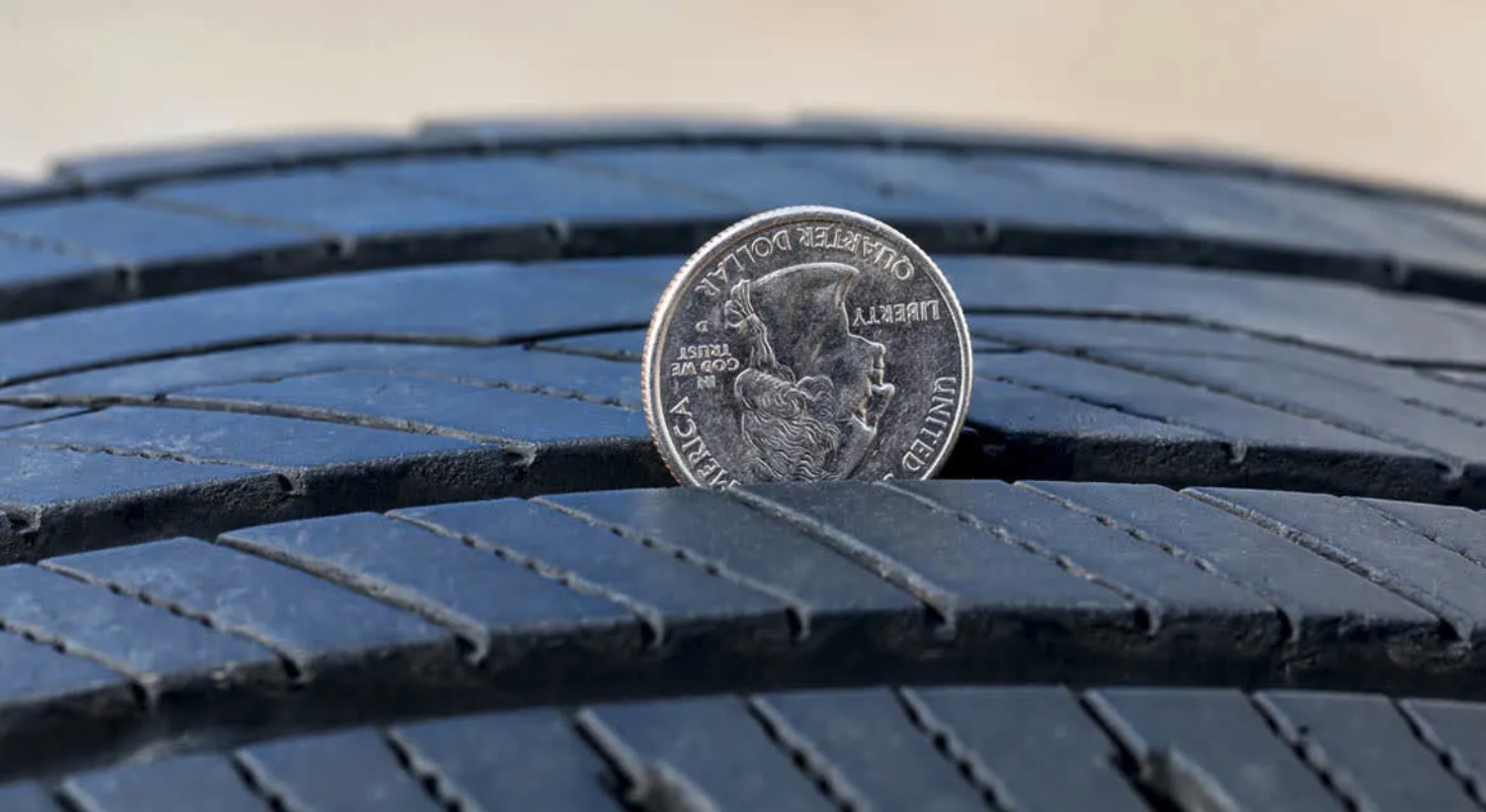
Measuring tire tread depth is a straightforward process that can be done at home using a simple tool like a quarter. Insert the quarter into the tread grooves with Washington's head facing down; if you can see the top of his head, it's time to replace the tire. This quick check can save you from driving on unsafe tires.
Moreover, many tire shops offer free tread depth measurements during routine inspections. Utilizing this service can provide peace of mind and ensure that your tires are in good condition, allowing for safer driving experiences.
The Importance of Regular Tire Inspections
Regular tire inspections are crucial for ensuring your vehicle's safety and performance. By checking your tires monthly, you can catch any potential issues early, such as air pressure drops or signs of wear. This proactive approach not only enhances safety but can also extend the life of your tires.
Additionally, many automotive experts recommend having a professional inspection at least twice a year. This can include checking alignment, balancing, and rotation, which are essential for even tire wear and optimal handling. Investing time in regular inspections can save you from costly repairs and enhance your overall driving experience.
Choosing the Right Tires for Your Vehicle
Selecting the right tires for your vehicle involves considering various factors, including your driving habits, climate, and the type of vehicle you own. Different tires are designed for specific conditions, such as all-season, winter, or performance tires, each offering unique benefits.
For example, if you frequently drive in snowy conditions, winter tires provide better traction and handling. Conversely, all-season tires are ideal for moderate climates and offer versatility. Consulting with a tire professional can help you make an informed decision tailored to your needs and driving style.
Signs Your Tires Need Replacement
Recognizing the signs that your tires need replacing is essential for maintaining vehicle safety. Common indicators include visible tread wear, cracks in the sidewalls, and bulges or blisters on the tire surface. Regularly inspecting your tires can help you identify these issues early, preventing potential accidents.
For instance, if the tread depth is less than 2/32 of an inch, it's a clear sign that your tires are worn out and should be replaced. Additionally, if you notice uneven wear patterns or if the tires have been in use for over six years, it's advisable to consider new tires to ensure optimal performance and safety.
How to Measure Tread Depth
Measuring tire tread depth is a straightforward process that can be done at home using a simple tool like a quarter. Insert the quarter into the tread grooves with Washington's head facing down; if you can see the top of his head, it's time to replace the tire. This quick check can save you from driving on unsafe tires.
Moreover, many tire shops offer free tread depth measurements during routine inspections. Utilizing this service can provide peace of mind and ensure that your tires are in good condition, allowing for safer driving experiences.
The Importance of Regular Tire Inspections
Regular tire inspections are crucial for ensuring your vehicle's safety and performance. By checking your tires monthly, you can catch any potential issues early, such as air pressure drops or signs of wear. This proactive approach not only enhances safety but can also extend the life of your tires.
Additionally, many automotive experts recommend having a professional inspection at least twice a year. This can include checking alignment, balancing, and rotation, which are essential for even tire wear and optimal handling. Investing time in regular inspections can save you from costly repairs and enhance your overall driving experience.
Choosing the Right Tires for Your Vehicle
Selecting the right tires for your vehicle involves considering various factors, including your driving habits, climate, and the type of vehicle you own. Different tires are designed for specific conditions, such as all-season, winter, or performance tires, each offering unique benefits.
For example, if you frequently drive in snowy conditions, winter tires provide better traction and handling. Conversely, all-season tires are ideal for moderate climates and offer versatility. Consulting with a tire professional can help you make an informed decision tailored to your needs and driving style.