Understanding Tire Wear Patterns
Recognizing different tire wear patterns is crucial for maintaining optimal vehicle performance and safety. Tires can wear unevenly due to various factors such as alignment issues, improper inflation, or driving habits. By understanding these patterns, drivers can identify potential problems before they lead to more significant issues.
For example, if the inner or outer edges of the tire are more worn than the center, it may indicate a misalignment. Conversely, if the center is worn more, the tire may be overinflated. Regularly inspecting tire wear patterns can help vehicle owners make informed decisions about maintenance and when to seek professional help.
Signs Your Tires Need Immediate Attention
There are several critical signs that indicate your tires may need immediate attention. These signs can range from visible damage to changes in vehicle handling. Being aware of these indicators can help you avoid dangerous situations on the road.
For instance, if you notice bulges, cracks, or punctures in the tire, these are clear signs that the tire may be compromised. Additionally, if you experience vibrations or pulling to one side while driving, it could signal a tire issue that requires prompt inspection and possibly replacement.
How to Properly Inspect Your Tires
Conducting a proper tire inspection is essential for ensuring your safety on the road. Regular checks can help you assess the condition of your tires and determine whether they need to be replaced. This process involves looking for visible signs of wear and measuring tread depth.
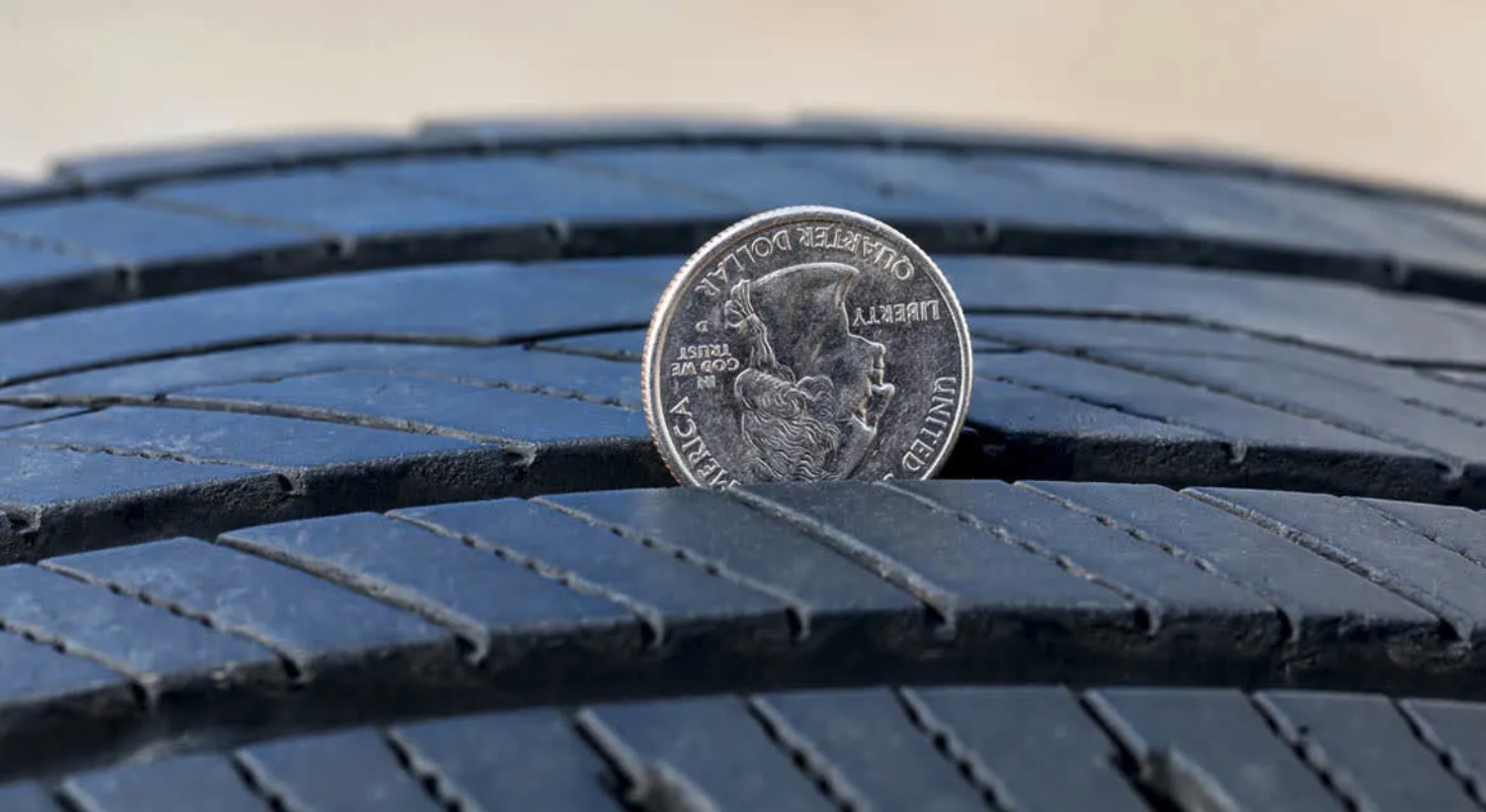
A simple method to check tread depth is the penny test, where you insert a penny into the tread grooves. If you can see all of Lincoln's head, it may be time to replace your tires. Additionally, checking tire pressure and ensuring the tires are properly inflated is vital for optimal performance and longevity.
Choosing the Right Tires for Your Vehicle
Selecting the right tires is a critical aspect of vehicle maintenance that can affect performance, safety, and fuel efficiency. Different vehicles and driving conditions require specific tire types, so understanding these needs is essential for every vehicle owner.
For example, all-season tires are suitable for a variety of conditions, while winter tires are designed for optimal traction in snow and ice. It's important to consider factors such as climate, driving style, and the type of vehicle when choosing tires to ensure you make the best decision for your needs.
Understanding Tire Wear Patterns
Recognizing different tire wear patterns is crucial for maintaining optimal vehicle performance and safety. Tires can wear unevenly due to various factors such as alignment issues, improper inflation, or driving habits. By understanding these patterns, drivers can identify potential problems before they lead to more significant issues.
For example, if the inner or outer edges of the tire are more worn than the center, it may indicate a misalignment. Conversely, if the center is worn more, the tire may be overinflated. Regularly inspecting tire wear patterns can help vehicle owners make informed decisions about maintenance and when to seek professional help.
Signs Your Tires Need Immediate Attention
There are several critical signs that indicate your tires may need immediate attention. These signs can range from visible damage to changes in vehicle handling. Being aware of these indicators can help you avoid dangerous situations on the road.
For instance, if you notice bulges, cracks, or punctures in the tire, these are clear signs that the tire may be compromised. Additionally, if you experience vibrations or pulling to one side while driving, it could signal a tire issue that requires prompt inspection and possibly replacement.
How to Properly Inspect Your Tires
Conducting a proper tire inspection is essential for ensuring your safety on the road. Regular checks can help you assess the condition of your tires and determine whether they need to be replaced. This process involves looking for visible signs of wear and measuring tread depth.
A simple method to check tread depth is the penny test, where you insert a penny into the tread grooves. If you can see all of Lincoln's head, it may be time to replace your tires. Additionally, checking tire pressure and ensuring the tires are properly inflated is vital for optimal performance and longevity.
Choosing the Right Tires for Your Vehicle
Selecting the right tires is a critical aspect of vehicle maintenance that can affect performance, safety, and fuel efficiency. Different vehicles and driving conditions require specific tire types, so understanding these needs is essential for every vehicle owner.
For example, all-season tires are suitable for a variety of conditions, while winter tires are designed for optimal traction in snow and ice. It's important to consider factors such as climate, driving style, and the type of vehicle when choosing tires to ensure you make the best decision for your needs.