Understanding Tire Tread Depth
One of the key indicators of tire health is tread depth. A tire's tread provides the necessary grip on the road, and as it wears down, the risk of hydroplaning and reduced traction increases significantly. Regularly measuring tread depth can help determine if it's time for a tire replacement.
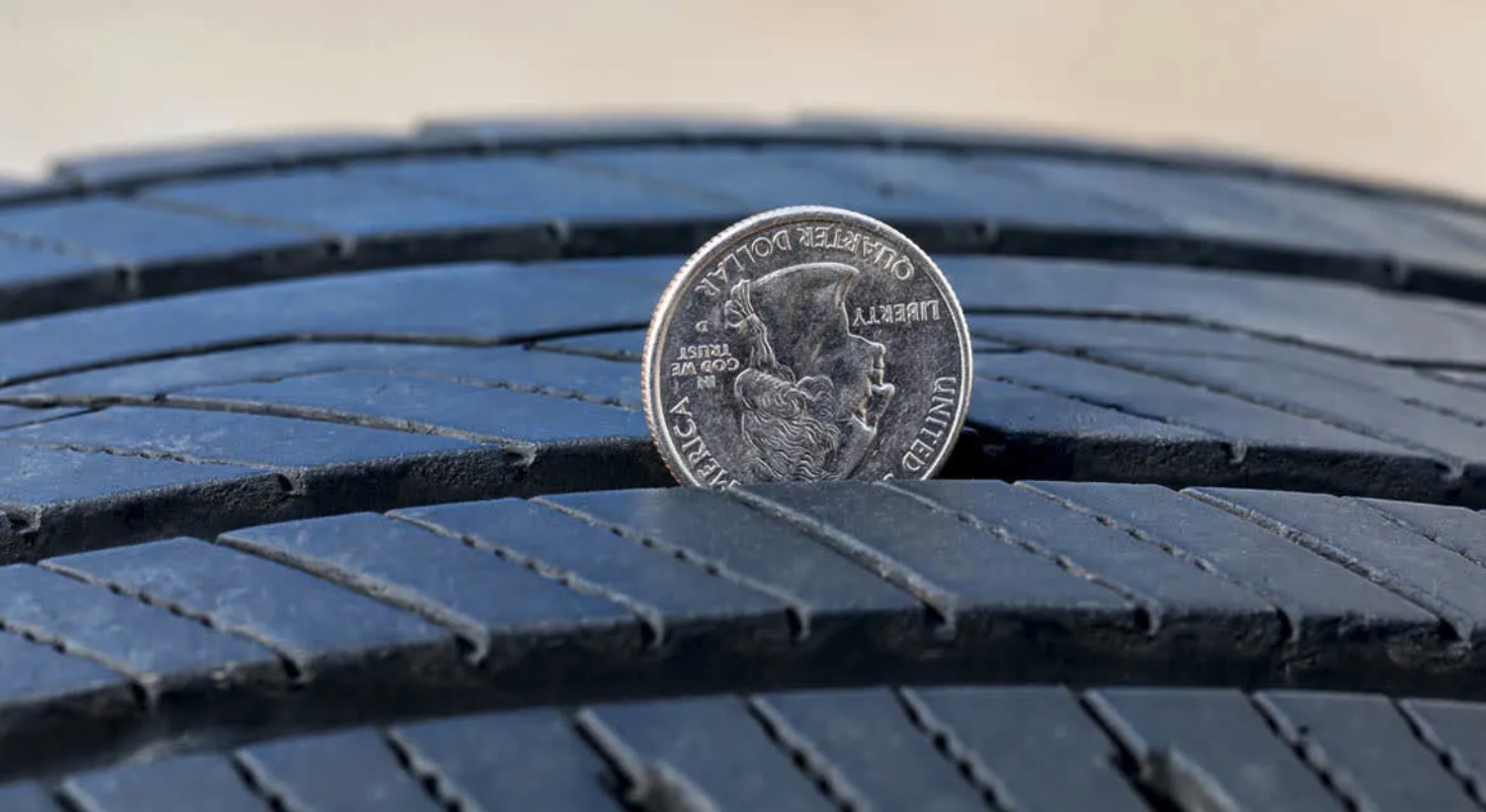
To check your tire tread depth, you can use the penny test: insert a penny into the tread with Lincoln's head facing down. If you can see all of Lincoln's head, your tread is too worn, and it's time to consider new tires. Additionally, many tires have built-in wear indicators that can also signal when tire replacement is necessary.
Signs of Tire Damage
Besides tread wear, other visible signs of tire damage can indicate the need for replacement. Cracks, bulges, or blisters on the tire surface can compromise safety and performance. Recognizing these signs early can prevent accidents and ensure a smoother driving experience.
For instance, if you notice a bulge on the sidewall, it may indicate internal damage that could lead to a blowout. Similarly, cracks in the rubber can be a sign of aging tires, which should be replaced to maintain optimal vehicle safety.
Importance of Regular Tire Maintenance
Regular tire maintenance is crucial for extending the life of your tires and ensuring safe driving conditions. This includes routine inspections, proper inflation, and regular rotations. By taking proactive measures, you can avoid premature tire wear and costly replacements.
For example, maintaining the correct tire pressure can improve fuel efficiency and tire longevity. Additionally, rotating your tires every 5,000 to 7,500 miles helps distribute wear evenly, prolonging their lifespan and enhancing performance.
Choosing the Right Tires for Your Vehicle
Selecting the right tires for your vehicle is essential for optimal performance, safety, and comfort. Different vehicles and driving conditions require specific tire types, and understanding these needs can help you make an informed decision.
For instance, all-season tires are suitable for a variety of conditions, while winter tires provide better traction in snow and ice. Consulting with a tire professional can help you choose the best tires based on your driving habits, local climate, and vehicle specifications.
Understanding Tire Tread Depth
One of the key indicators of tire health is tread depth. A tire's tread provides the necessary grip on the road, and as it wears down, the risk of hydroplaning and reduced traction increases significantly. Regularly measuring tread depth can help determine if it's time for a tire replacement.
To check your tire tread depth, you can use the penny test: insert a penny into the tread with Lincoln's head facing down. If you can see all of Lincoln's head, your tread is too worn, and it's time to consider new tires. Additionally, many tires have built-in wear indicators that can also signal when tire replacement is necessary.
Signs of Tire Damage
Besides tread wear, other visible signs of tire damage can indicate the need for replacement. Cracks, bulges, or blisters on the tire surface can compromise safety and performance. Recognizing these signs early can prevent accidents and ensure a smoother driving experience.
For instance, if you notice a bulge on the sidewall, it may indicate internal damage that could lead to a blowout. Similarly, cracks in the rubber can be a sign of aging tires, which should be replaced to maintain optimal vehicle safety.
Importance of Regular Tire Maintenance
Regular tire maintenance is crucial for extending the life of your tires and ensuring safe driving conditions. This includes routine inspections, proper inflation, and regular rotations. By taking proactive measures, you can avoid premature tire wear and costly replacements.
For example, maintaining the correct tire pressure can improve fuel efficiency and tire longevity. Additionally, rotating your tires every 5,000 to 7,500 miles helps distribute wear evenly, prolonging their lifespan and enhancing performance.
Choosing the Right Tires for Your Vehicle
Selecting the right tires for your vehicle is essential for optimal performance, safety, and comfort. Different vehicles and driving conditions require specific tire types, and understanding these needs can help you make an informed decision.
For instance, all-season tires are suitable for a variety of conditions, while winter tires provide better traction in snow and ice. Consulting with a tire professional can help you choose the best tires based on your driving habits, local climate, and vehicle specifications.